Manggarai Housing Launch Puts Jakarta’s Middle-Income Demand to the Test
A new housing project in Manggarai, South Jakarta, is bringing middle-income buyers into focus. The development offers around 1,200 residential units. Its launch comes as Jakarta looks for ways to provide homes for people who may struggle to afford properties in established residential areas.
Property consultancy Colliers points out that a large part of the residential market in Jakarta has traditionally been focused on middle-upper and luxury buyers. The launch of Manggarai focuses on a different group of buyers and raises the question of what demand there is for houses in an affordable price range and good location.
Manggarai housing and public transport
Location is one of Manggarai’s key advantages. The area is a key transportation hub, providing residents with access to various modes of transportation in the capital. It can be an excellent choice for commuters who want to invest in a property near transportation.
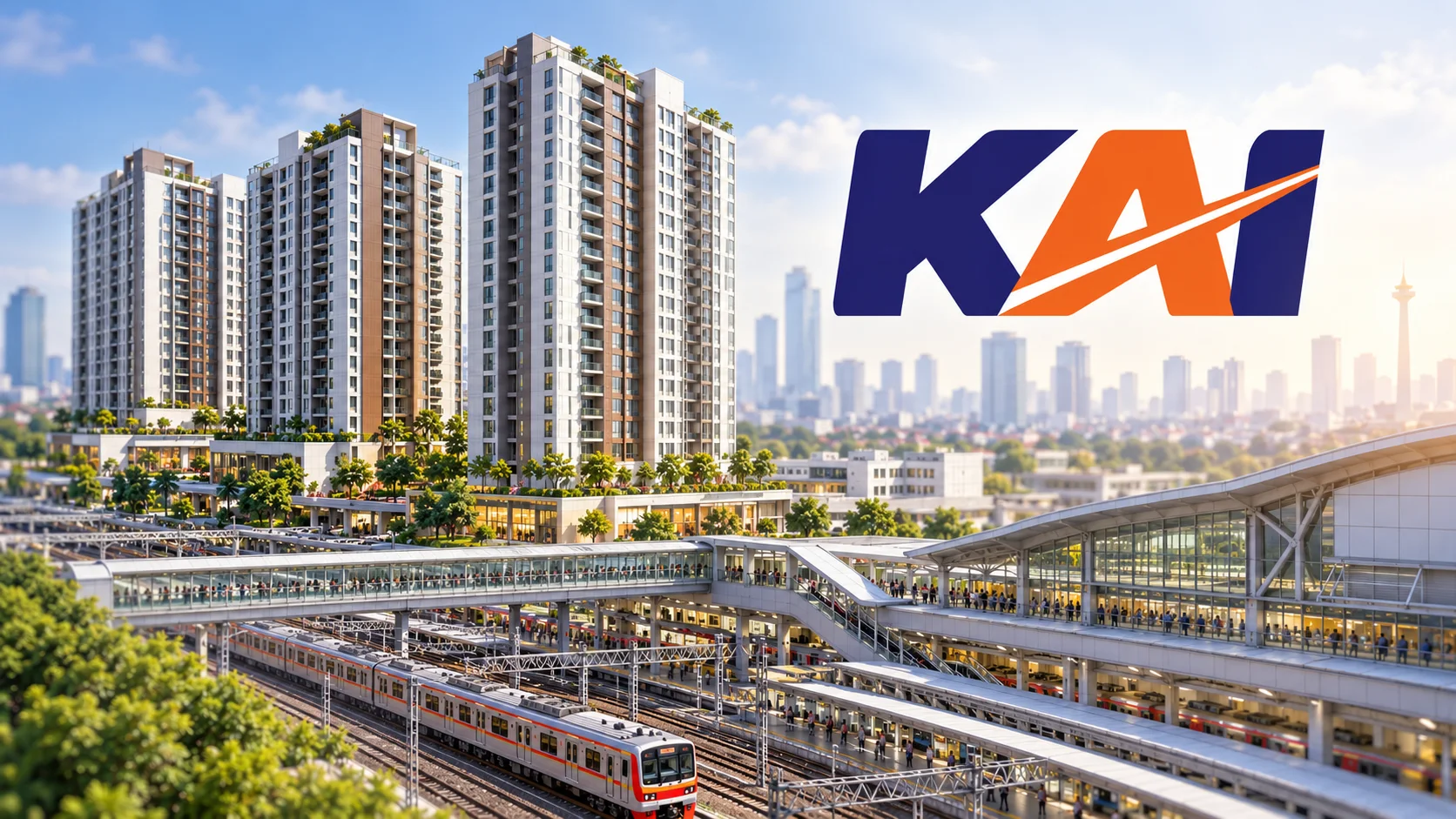
The area also plays a significant role in supporting the government’s housing program, which aims to encourage residents to live closer to transportation networks. State-owned rail operator PT Kereta Api Indonesia (KAI) has been developing a residential unit in Manggarai Transit Oriented Development.
In August 2026, KAI announced the development plans for Blocks F and G, which will cover an area of around 2.19 hectares. The proposed development included 3,740 housing units and 150 retail units. Some of the homes were intended for low-income and middle-income households.
Jakarta looks at new housing options
Policy changes could also shape future development. Jakarta Governor Regulation No. 11/2026 provides greater flexibility on building floor-area ratios for eligible projects in designated transit-oriented areas. These include locations within 800 metres of rail-based mass transit, without additional public-facility contribution obligations.
Colliers noted that many projects due for completion by 2030 were planned before the regulation took effect. This means the change may take time to influence the supply of new homes.
The consultancy also reported that Jakarta recorded no new strata-title residential unit handovers in the third quarter of 2026. Existing projects remain concentrated in the central business district and South Jakarta.
The Manggarai launch will offer a useful indication of interest in middle-income housing. Its longer-term significance will depend on whether developers can match buyers’ budgets with suitable locations and reliable transport connections.